
Expressions gone wrong...
It's not always what it sounds like

Sometimes when The Snarky Editor starts to write about a particular topic, she has an embarrassment of riches to choose from (and there’s a nice expression for you).
When it comes to expressions that we use almost without thinking, there are plenty of examples of how authors have heard something wrong, or assumed it means one thing when it really refers to something else entirely.
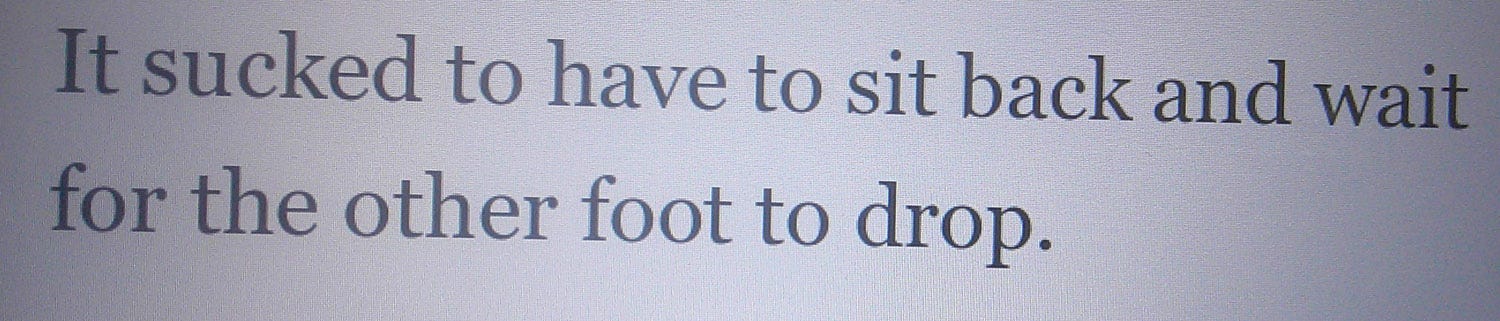
It sucked to have to sit back and wait for the other foot to drop.
The expression, of course, is “wait for the other shoe to drop” — because in the vast majority of cases, a sneaker thumping to the floor is followed by a second bang that’s just as loud. Waiting for that second bang, knowing that it’s coming but unsure just when to brace for impact, can be annoying. But throwing feet around? Untidy.
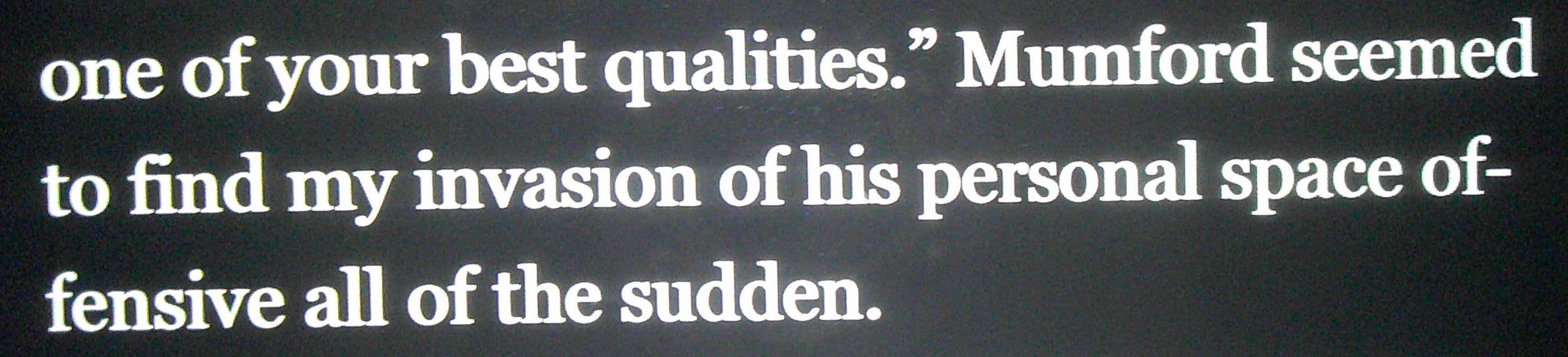
… offensive all of the sudden.
Let’s stop and think. Does “all of the sudden” even make sense? Granted, the correct use — all of a sudden — sounds pretty odd, too. Maybe the answer is to simply say, “Mumfurd suddenly seemed to find my invasion of his personal space offensive.”
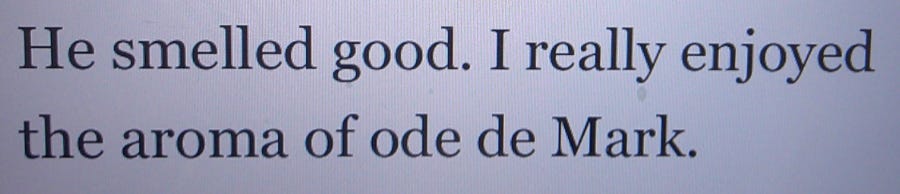
I really enjoed the aroma of ode de Mark.
Even if Mark’s cologne is such a wonderful blend that it makes his girl feel poetic, ode is still the wrong word here. Colognes and perfumes are liquids and are often referred to by the French word for water, which is eau — pronounced oh. So Mark’s special scent could be called eau de Mark.
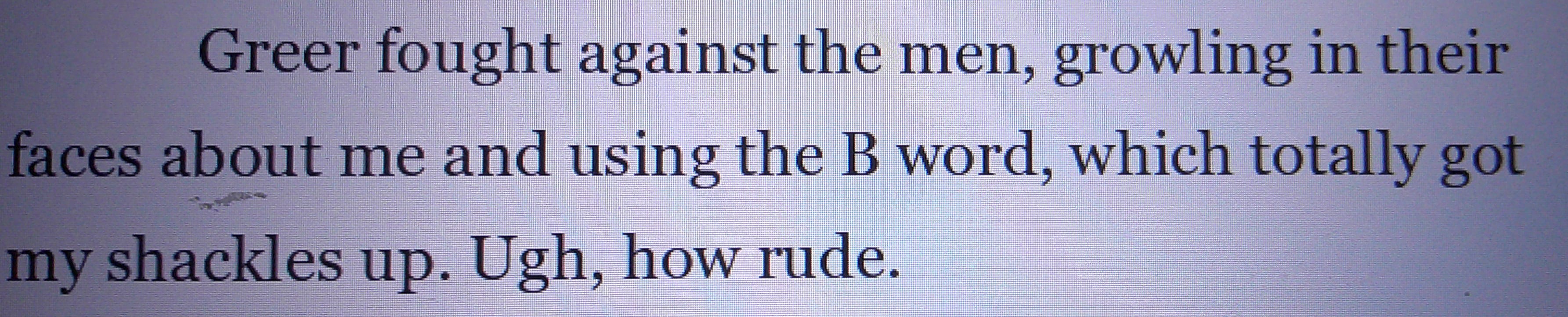
which totally got my shackles up.
Unless this character is a kidnap victim, bound with handcuffs and leg irons, she’s not dealing with shackles. The author meant hackles — which are actually the neck feathers of a bird or the hairs that raise up on a dog’s neck when he’s agitated. But the expression get my hackles up has come to mean feeling ire or strong annoyance — and perhaps bristling just as a dog does.
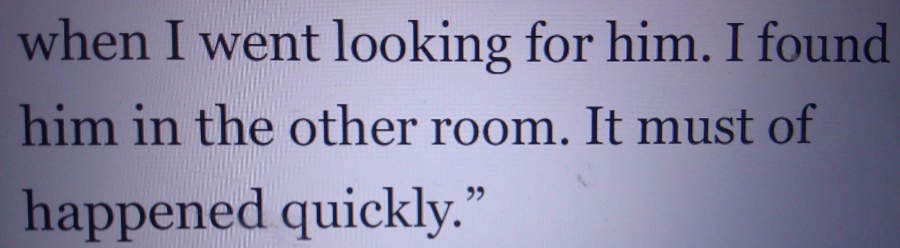
It must of happened quickly.
Must of, could of, and their cousins are the result of lazy speech and careless listening — hearing of rather than have. It must have happened quickly. He could have done that instead.
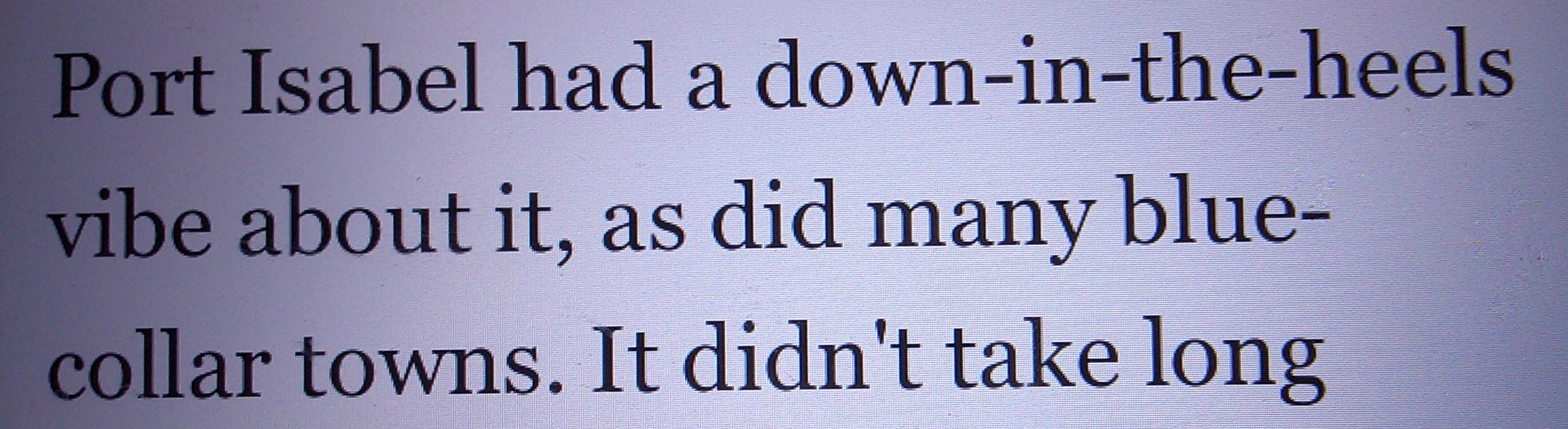
Port Isabel had a down-in-the-heels vibe about it.
The expression is down at the heels — meaning having a poor or shabby appearance. It originally referred to shoes that had been used too long, to the point where the heels were worn off.

British Humor: Very tongue and cheek.
The expression is tongue in cheek. It means something that’s said with irony or repressed humor, rather than by making an obvious joke. It probably originated because sticking the tip of one’s tongue against the inside of a cheek helps stave off laughter.
The Snarky Editor admits she’s a nut when it comes to figuring out how an expression originated and what it refers to, in addition to what it’s come to mean with the passage of time. Thank you for humoring her!
The Snarky Editor comes out of hiding occasionally to comment on the awkward, silly, and sometimes hilarious editing errors found in published books.
#snarkyeditor #everybodyneedsaneditor
Leigh Michaels is the award-winning author of more than 100 books, including historical and contemporary romance, non-fiction books about writing, and local history. More than 35 million copies of her books are in print in 27 languages and more than 120 countries. She is also a writing coach and book editor, though she promises to be snarky only in regard to published books.
To find out more, check out https://leighmichaels.com